CureC9 Program — A Strategic Effort to Cure C9orf72 Disease
CureC9 Program
Credit: Original illustrations by Kaylee Morris
100% of CureC9 Program gifts go to research. Donations are tax-deductible through EverythingALS, a 501(c)(3) nonprofit.
A program of

A strategic effort to cure the most common genetic cause of ALS and FTD: the C9orf72 repeat expansion.
CureC9 is a research program within EverythingALS, a 501(c)(3). An independent Scientific Advisory Board of eight international experts identifies the research most likely to change outcomes and directs funding accordingly. One hundred percent of donations go to the science.
Why CureC9 Exists
The C9orf72 repeat expansion is the most common genetic cause of both ALS and frontotemporal dementia. Despite major investment in ALS research, there has not been a program dedicated to strategically directing research specifically for C9 disease.
CureC9 was created to fill that gap.
Through an independent Scientific Advisory Board of therapy-focused scientists, CureC9 evaluates the research landscape, challenges inherited assumptions, and helps direct funding and scientific strategy toward the work most likely to lead to meaningful progress.
Two Arms, One Mission
Prevention Arm
Detecting the disease before symptoms start, so we can intervene while there is still time.
Mechanism Arm
Driving the key science forward to meaningfully alter C9orf72 disease.
Scientific Advisory Board
Cure C9 is guided by an international advisory board of leading experts in ALS, neurodegeneration, and therapeutic development. These scientists help identify the most promising research directions and ensure that funding is directed toward projects with the highest potential to change outcomes for patients.
SAB members advise on scientific direction; some SAB members also lead funded projects through their own labs.

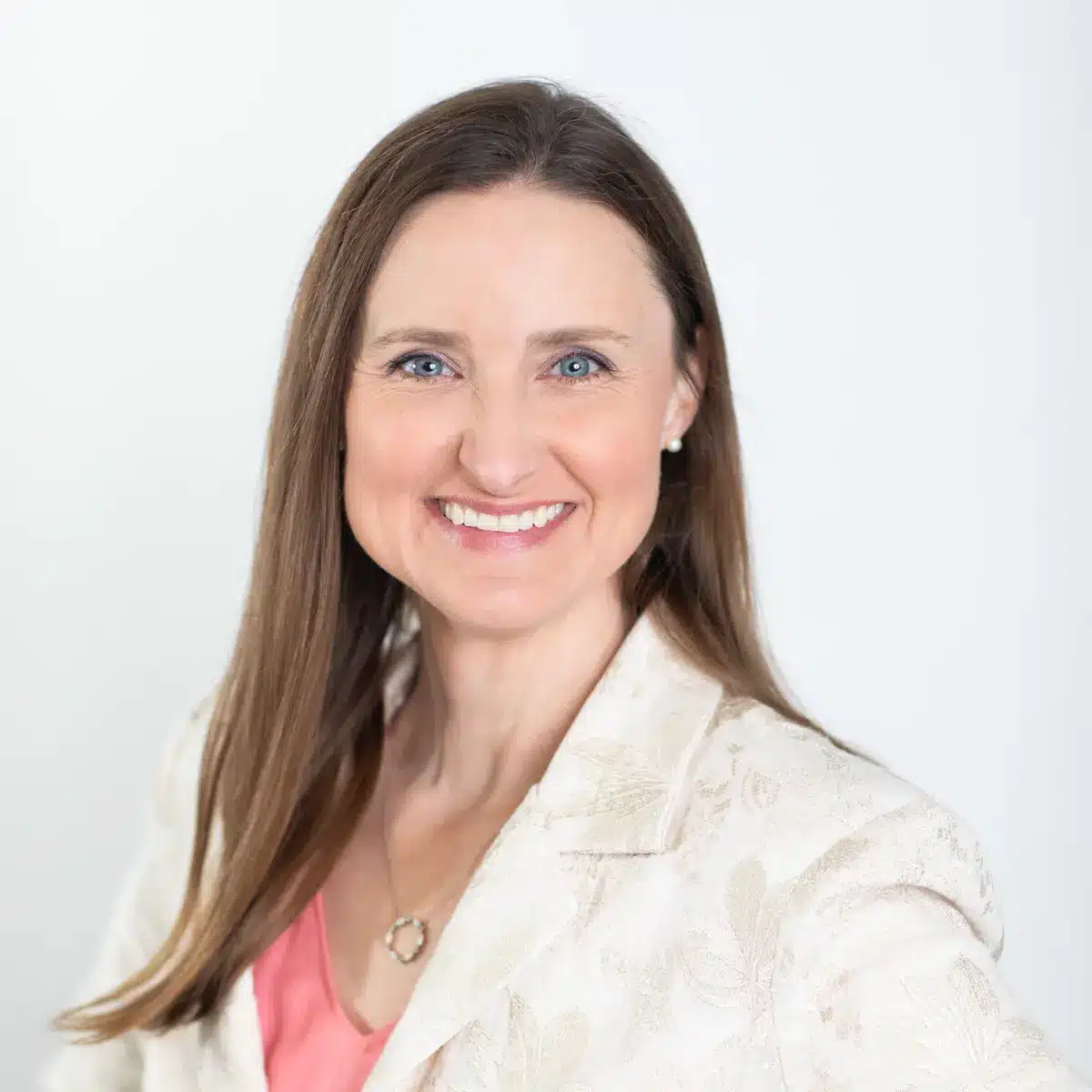
Claire Clelland (MD, PhD)
John Douglas French Alzheimer’s Foundation Founding Associates Endowed Professor | University of California San Francisco | Weill Institute for Neurosciences

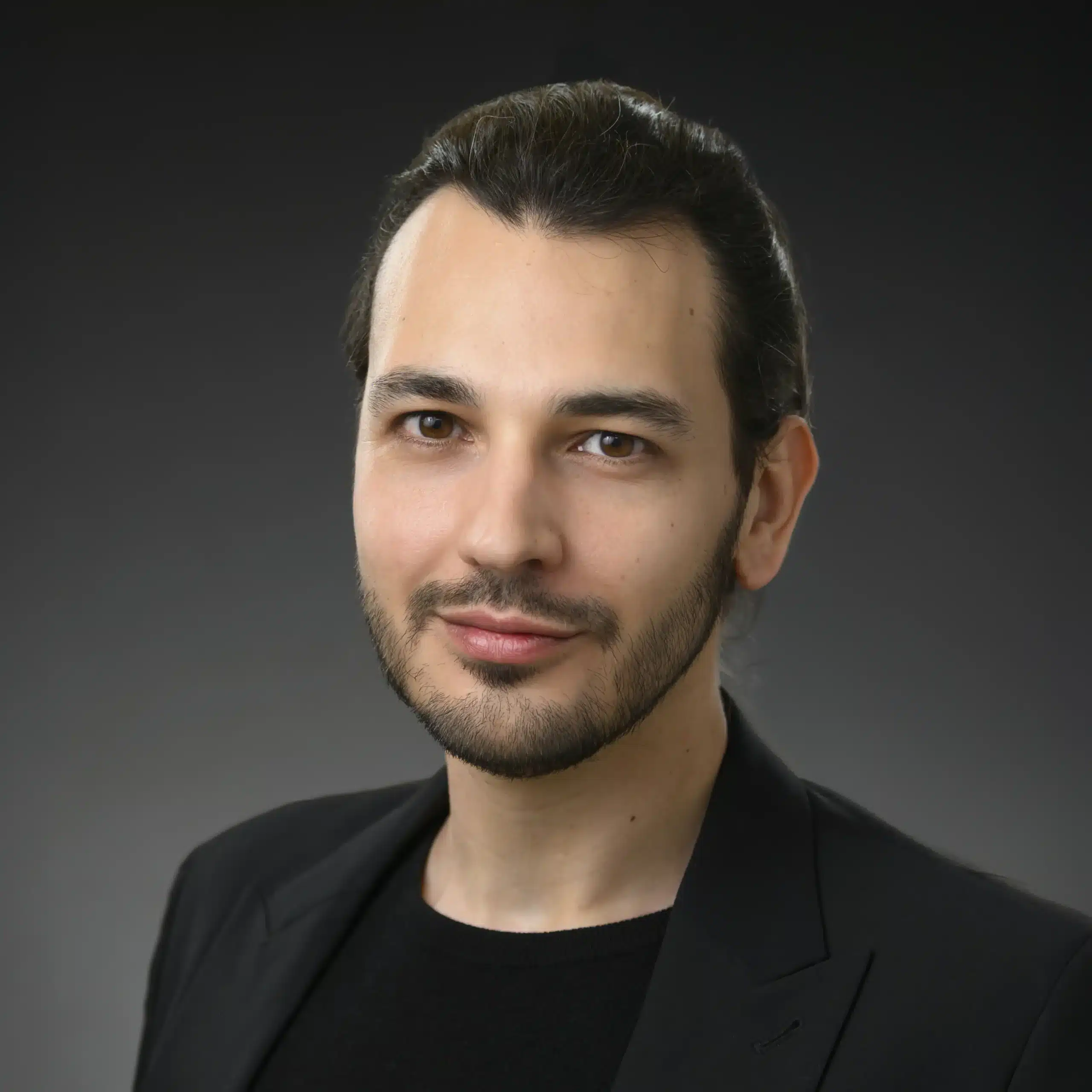
Steven Boeynaems (PhD)
Assistant Professor | Baylor College of Medicine | Therapeutic Innovation Center (THINC) / Texas Children’s Hospital | Jan and Dan Duncan Neurological Research Institute



Leadership
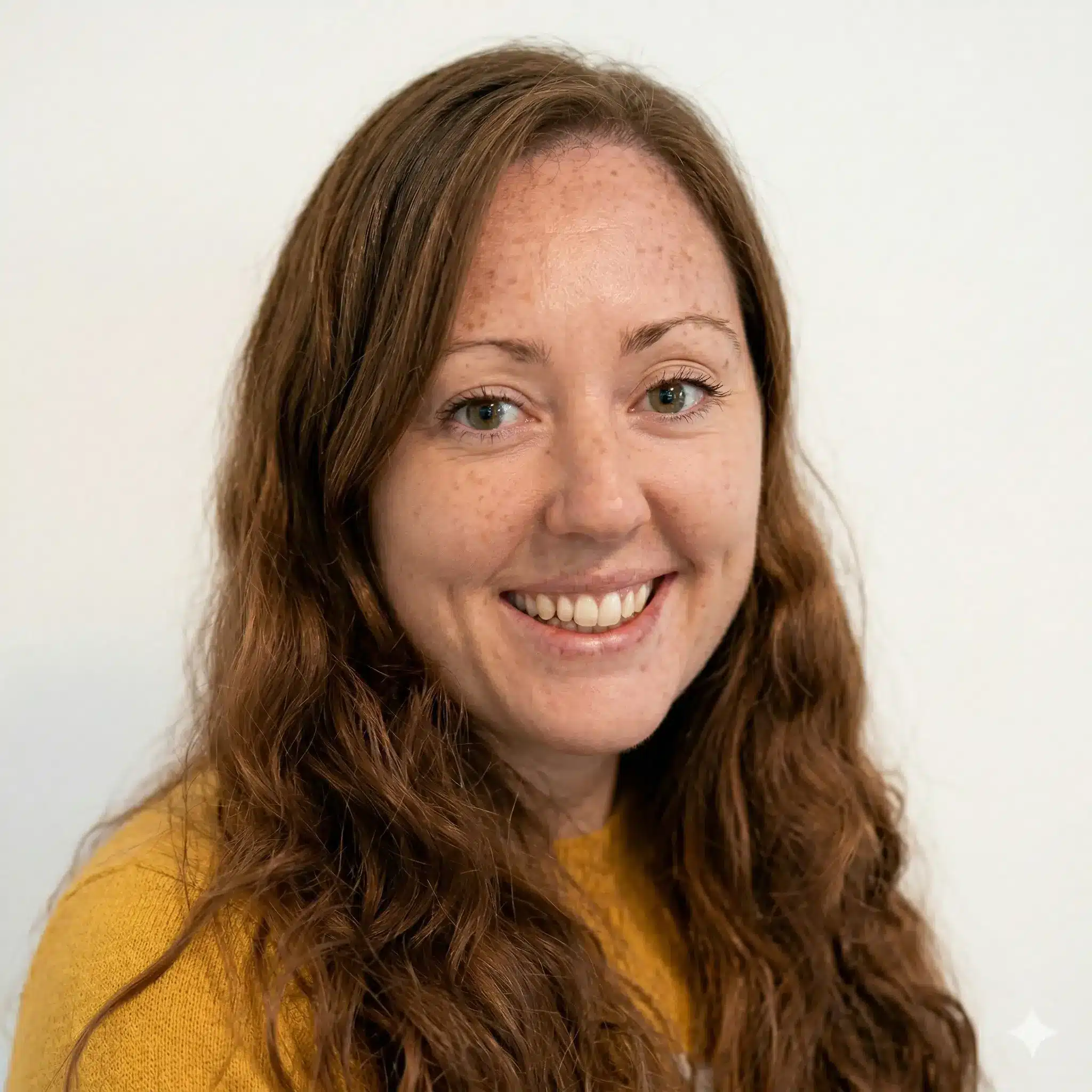
Yentli Soto Albrecht (PhD)
MD-PhD student | University of Pennsylvania | C9 Carrier and Co-Founder of CureC9

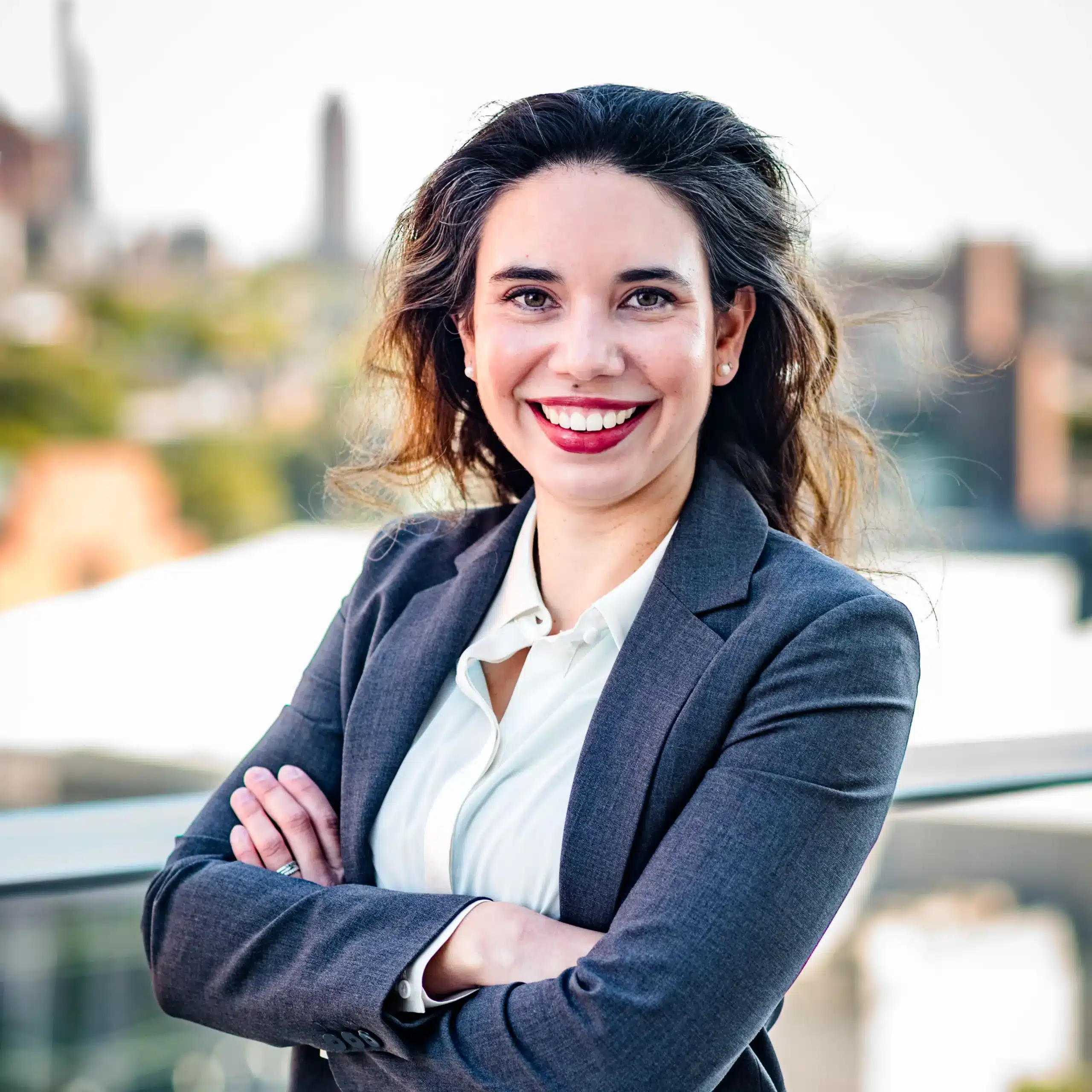
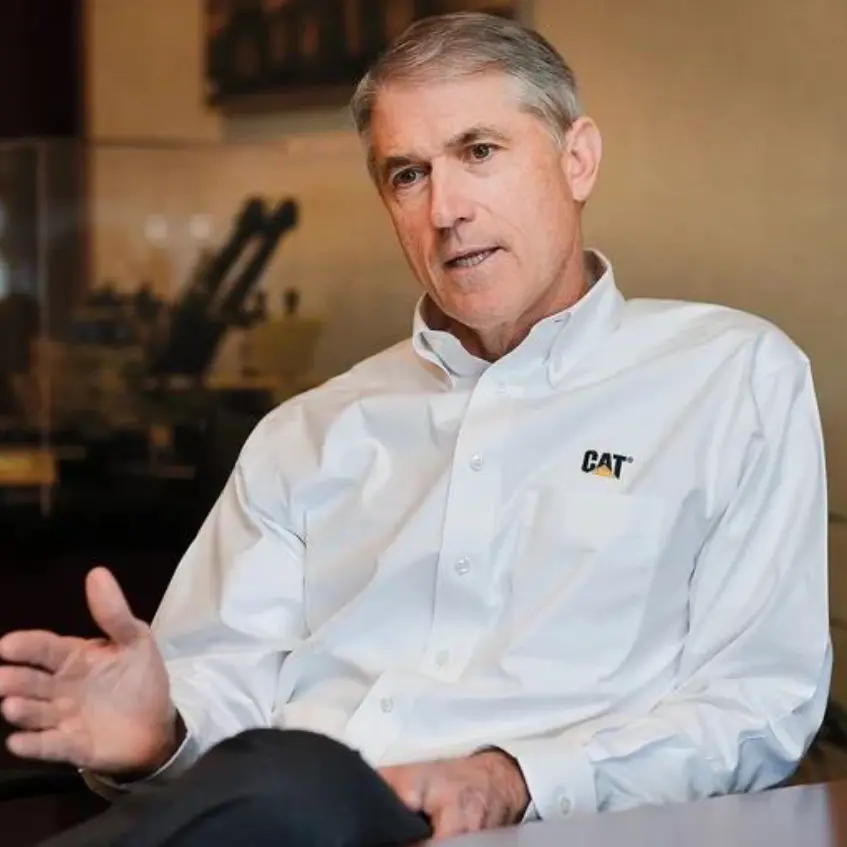
Ed Rapp (BSBA)
Chair of Answer ALS Advisory Board |Member of Packard Center Board and Executive Committee

Credit: Original illustrations by Kaylee Morris
Board Meetings
April 10, 2026
The Board voted to fund the flagship CureC9 program research project: unlocking gene therapy in the brain.
July 2, 2026
The Board discussed the molecular underpinnings of the C9orf72 repeat expansion. A working group is tasked with a final recommendation or whether the topic of discussion of this meeting should be pursued experimentally, and by whom.
Upcoming: September 18, 2026
The Board will meet with regulatory, bioethics, biostatistics, digital biomarker, and neurogenetic experts, as well as a group of genetic carrier patient advocates to plan the first presymptomatic ALS/FTD prevention trial, with FDA-approved compounds and digital biomarkers as clinical endpoints.
To join the discussion email info@endthelegacy.org demonstrating interest.
Winter meeting: date TBD.
Current Flagship Research: Unlock gene therapy in the brain.
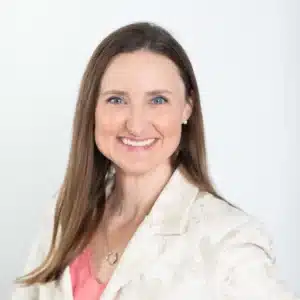
Principal Investigator: Claire Clelland, MD, PhD
C9orf72 disease begins with a repeat expansion — an excess stretch of DNA that produces toxic RNAs and proteins, and drives both ALS and frontotemporal dementia (FTD). One promising approach is to cut out the excess DNA itself, using CRISPR as the tool. Dr. Clelland’s lab at UCSF has already done that part: they can remove the C9 mutation in cells from patients, and doing so eliminates the pathologic hallmarks of C9 disease. The remaining bottleneck — and the reason no CRISPR therapy for the brain exists yet — is delivery: getting CRISPR into enough cells in the brain and spinal cord to make a clinical difference. Over five years, with a $10 million investment, Dr. Clelland’s lab is ready to take on delivery. Solving it unlocks the first CRISPR gene therapy for C9 ALS/FTD, and the same delivery platform unlocks gene therapies for every other form of ALS and FTD, and for many other neurodegenerative and neurodevelopmental diseases that share this bottleneck.